In the rapidly expanding universe of video podcasts, good looks are no longer optional. Podcasts are no longer just something people should expect to sound as good as they look. Arguably one of the easiest and most affordable ways to step up the professional quality of your podcast is to nail down your podcast lighting setup.
That is the idea behind this guide, which is focused on the content creator, the marketer, the in-house team, the business owner, the solo professional – the people aspiring to upgrade their podcast setup without going broke. Whether you are recording in a home office, a co-working space, an office building, or a corner of your company boardroom, here are some podcast lighting setup tips to help you leave the impression of a studio-quality video – even with minimal equipment.
At Wolfpack Media, we create cinematic podcasts and train people and internal marketing teams to create at a higher level using gear that they already have. In this guide, we will explain why podcast lighting matters, how to get started, and how to avoid common mistakes. So if you are serious about stepping up your video content, this is for you.
The Importance of Lighting In Your Podcast Setup
Audio takes centre stage in podcasting, but in the realm of video podcasts, visuals are as important as what you hear. Professional podcast lighting shows that you are someone your audience can take seriously. Poor lighting, however, can make even the most professional-looking podcast seem amateur.
Visual clarity enhances trust. If your audience can see your facial expressions, gestures, and setup, they are more likely to remain invested. And video podcasts that look great – that have strong visual appeal – also perform better on platforms like YouTube, where viewers are selective about what they watch. Choosing consistent and purposeful podcast lighting equipment will save editing time, reduce distractions, and help you tell your brand story more effectively.
The Basics: The Three-Point Podcast Lighting Setup
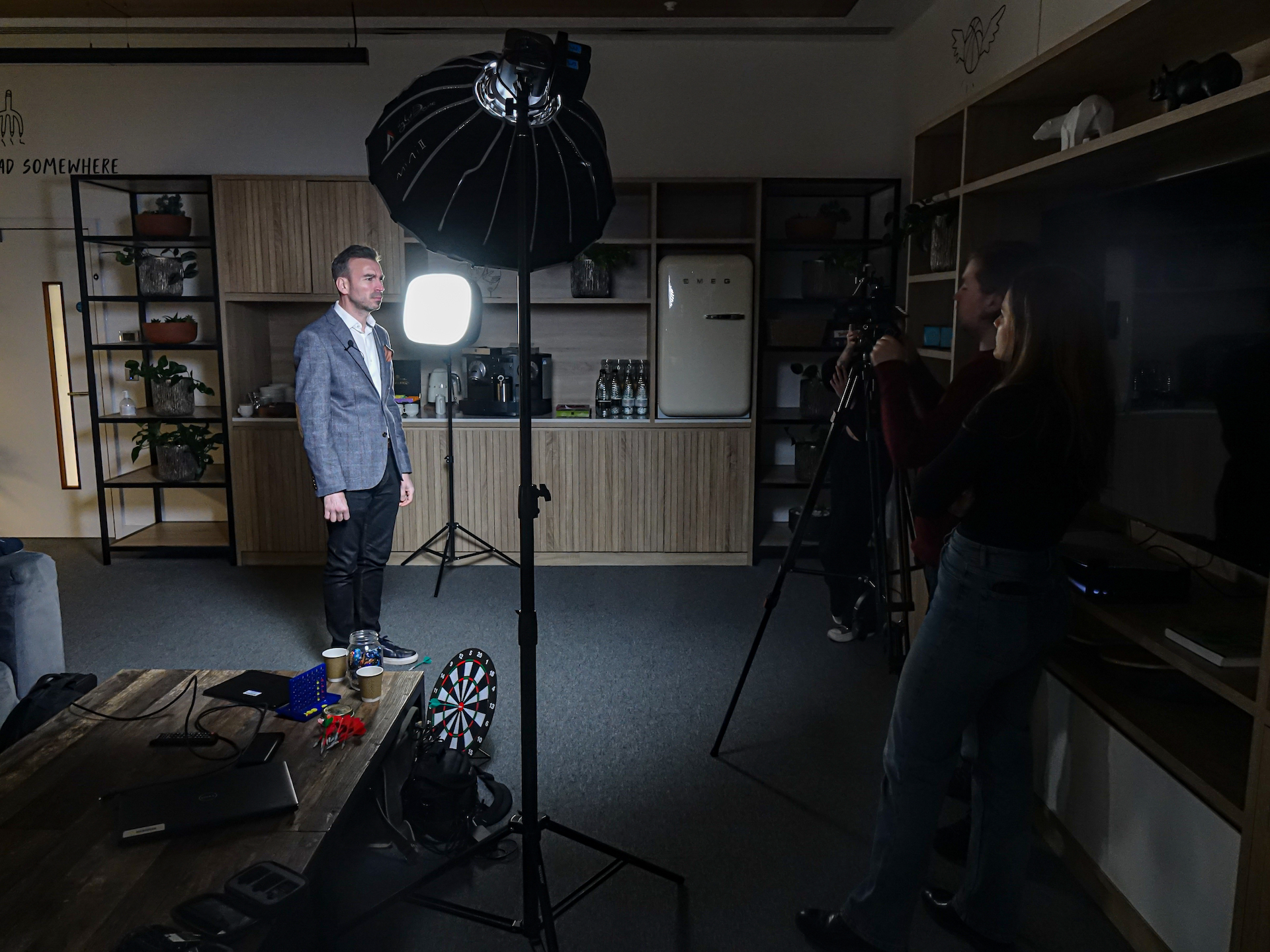
The three-point lighting technique is a tried-and-tested method that is both straightforward and effective. It is often used in videography and works especially well when learning how to light a podcast studio.
Key Light this is your main light source. It should be positioned at a 45-degree angle from the subject, slightly above eye level. The objective is to light the face without washing it out or creating harsh shadows. A soft light source is best, so consider using a softbox or diffuser.
Fill Light The fill light helps reduce shadows created by the key light. It is usually placed opposite the key light and at a lower intensity. If you are short on lights, a white foam board or reflector can bounce light to fill in shadows.
Background Light (Also known as Rim Light or Hair Light) This light is positioned behind the subject and is used to separate the subject from the background. It adds depth and creates a more cinematic feel. A small LED panel placed high and behind the subject can be very effective.
Best Podcast Lighting Equipment on a Budget
You do not need to invest in expensive professional gear to achieve a great podcast lighting setup. There are plenty of affordable and effective options available.
Recommended Brands
- Godox LEDP260C or SL60W: Both offer adjustable brightness and colour temperature and are known for consistent performance.
- Neewer 660 LED Panels: A favourite among creators for versatility and durability.
- Ring Lights: Great for solo podcast setups, especially when placed directly in front of the camera.
- Diffusers and Softboxes: Essential for soft, flattering lighting.
- RGB LED Light Strips: Perfect for adding subtle colour to your backdrop.
When choosing podcast lighting equipment, look for features like adjustable brightness and bi-colour settings. This gives you more control over the final look of your footage.
How to Light a Podcast Studio in a Small or Shared Space
Many podcasters work in spaces that were not originally designed for filming. Even so, you can achieve a professional podcast lighting setup in these environments.
- Use natural light when possible, but avoid direct sunlight, which can be harsh and inconsistent. North-facing windows provide softer light.
- Clamp lights to desks or use compact tripods to save space.
- Position lights slightly off-centre and above eye level to avoid flat lighting.
- For group recordings, ensure lighting is evenly distributed across all speakers.
- Keep the background clean and uncluttered to maintain focus.
- Mark lighting positions for consistent results each time you record.
Lighting Your Podcast Studio for a Visually Aesthetic Look
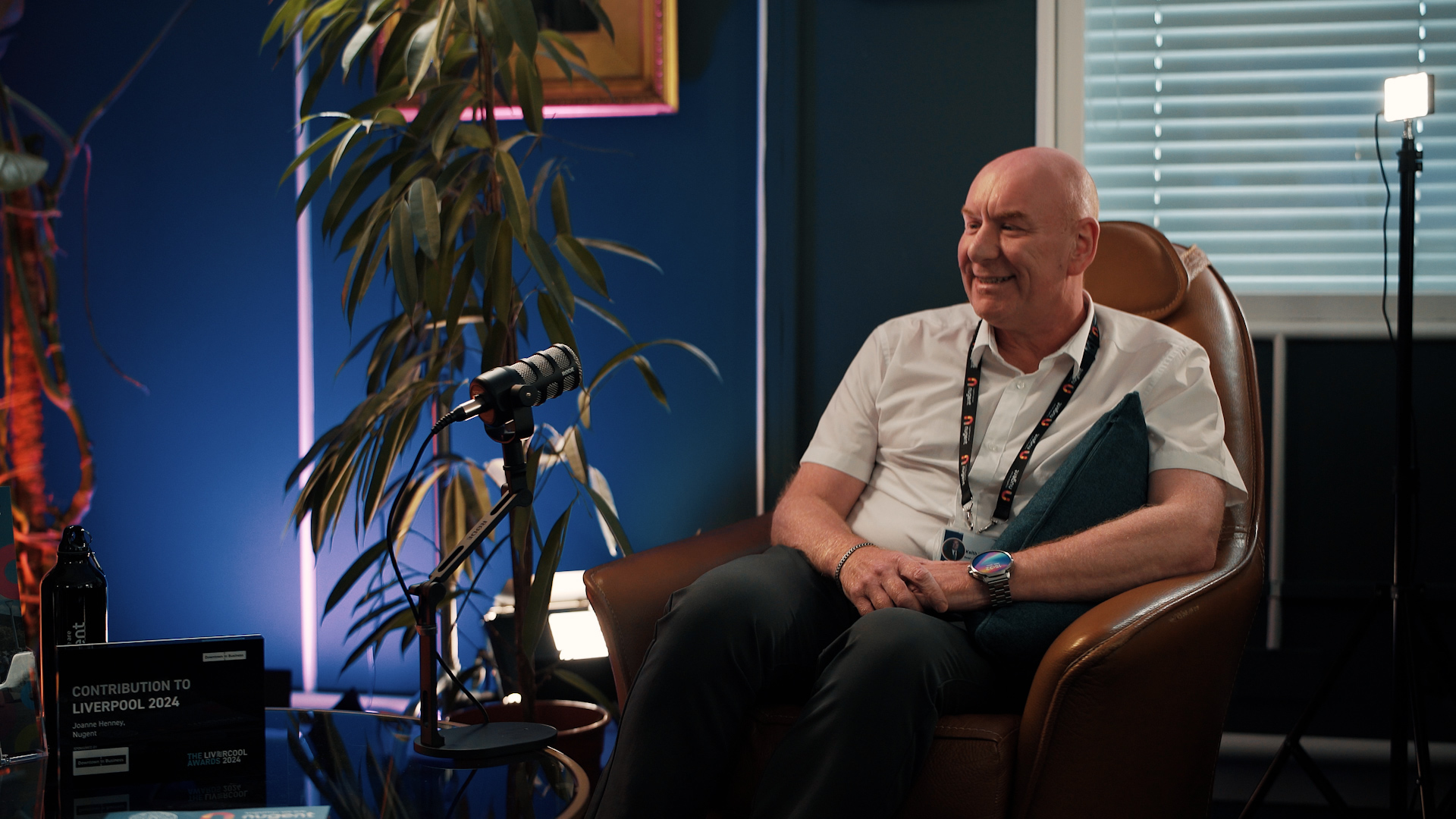
Lighting should do more than just illuminate – it should enhance your brand’s visual identity. Here are ways to create a cool podcast studio look through lighting design.
- Use RGB backlighting in your brand colours for a subtle but distinctive aesthetic.
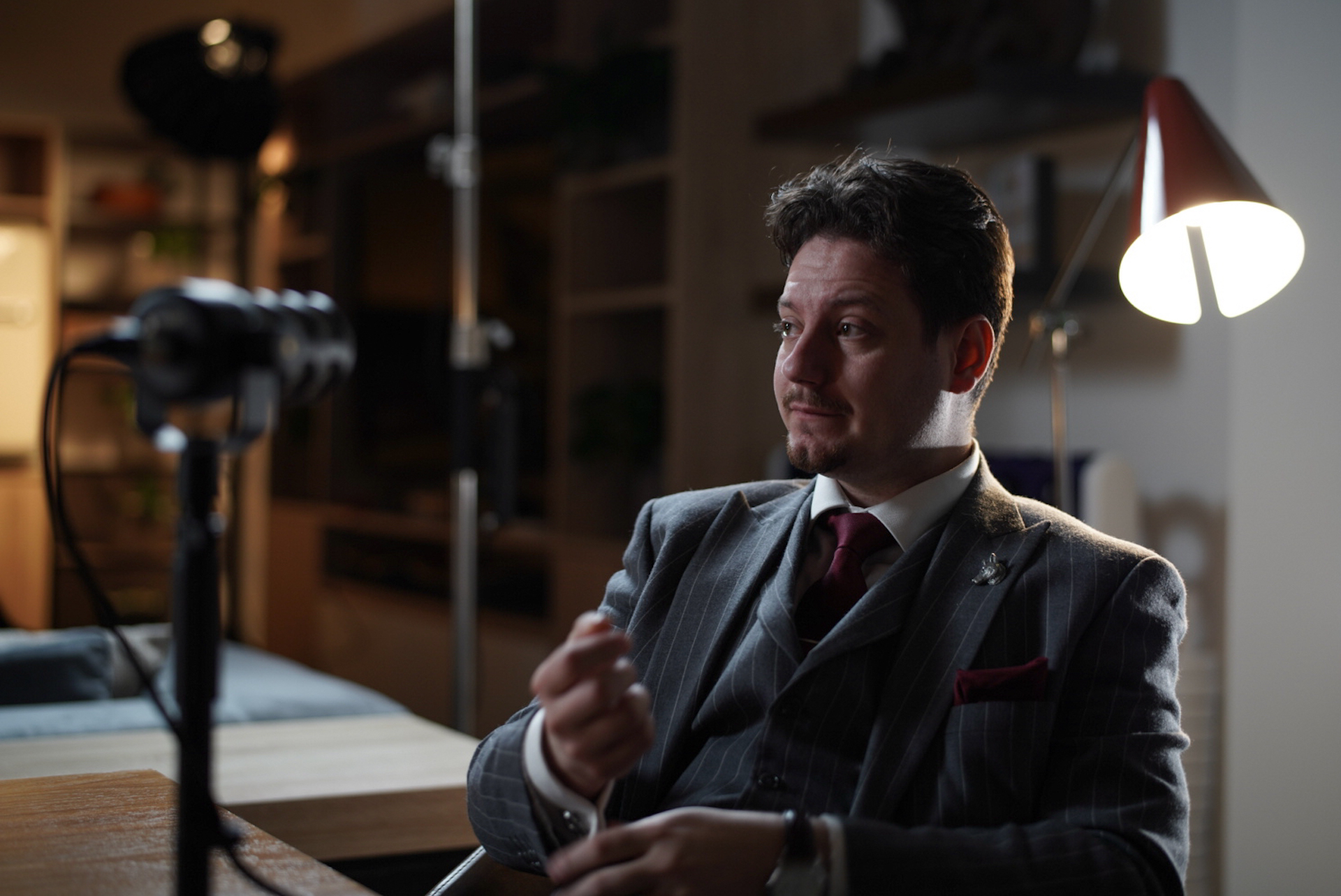
- Choose warm-toned desk lamps or vintage bulbs for a welcoming atmosphere.
- Highlight shelves, art, or textured walls with low-wattage spotlights.
- Incorporate practical lights that are visible on camera to add depth and realism.
Always match your lighting style to the tone of your podcast. For instance, clean and neutral lighting works well for professional service podcasts, while creative shows might benefit from bold colours and contrast.
Avoiding Common Lighting Mistakes
Even with good podcast lighting equipment, mistakes can happen. Here are some common issues and how to avoid them:
Shadows Under the Eyes Caused by lights placed too low or directly in front of the face. Raise the key light above eye level and angle it downward.
Overexposed Faces This happens when lights are too bright or too close. Reduce the intensity or add a diffuser.
Flat Lighting Occurs when lighting is too even and lacks contrast. Use the three-point lighting setup to add depth.
Glare on Glasses Position lights higher and at an angle, or use diffusers to soften reflections.
Background Overpowering the Subject Ensure the subject is the brightest point in the frame. Reduce background lighting if necessary.
Final Tips for a Consistent Podcast Lighting Setup
- Always test your lights before recording. A quick phone camera test can reveal imbalances.
- Keep your lighting setup consistent between sessions. Use diagrams or marks to recreate it easily.
- Use lighting to enhance your podcast storytelling. Adjust colour temperature and tone to match the mood.
- Keep cables and modifiers tidy and out of frame to avoid visual distractions.
Explore More from Wolfpack Media
If you are looking for support setting up your podcast studio or want hands-on training for your internal team, our Video Production and Editing Training service offers practical guidance. Learn more here.
For creators who want to take their podcast visuals to the next level, our Cinematic Podcast Production package includes everything from setup to delivery. Explore it here.
If you found this article helpful, continue exploring our blog for more tips on podcast lighting setup, production workflows, and content creation strategies.