Video is now one of the most effective ways to communicate. It is how companies explain what they do, how business owners share stories that inspire action, and how professionals build trust with their audience. The challenge is that making a video look professional is not always straightforward, especially without the right video production skills. It takes more than enthusiasm and a phone camera.
That is where training comes in. Good training does not just show you which buttons to press. It gives you the confidence and habits to create video that looks intentional, tells a story, and keeps people watching. Whether you are a marketing manager, part of an in-house comms team, or an individual keen to improve, here are five essential video production skills that video production training builds.
1. Camera Operation And Shooting Techniques
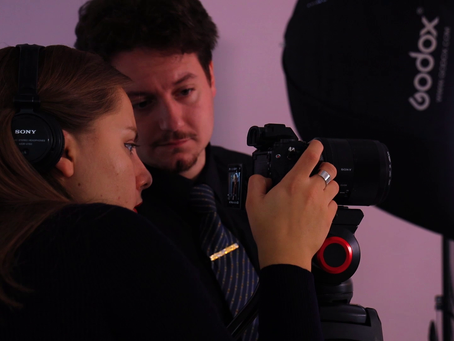
The camera is your storytelling tool. Learning how to use it properly is one of the fastest ways to improve the quality of your videos.
- Framing and composition: Knowing where to place your subject in the frame changes how professional the video feels.
- Movement and stability: Shaky footage can be distracting. Techniques with tripods and stabilisers help keep shots cinematic.
- Angles and perspective: A low-angle shot can make someone appear powerful, while a close-up can highlight emotion.
Even if you are only filming on a smartphone, these techniques transform the final result.
2. Lighting Setups
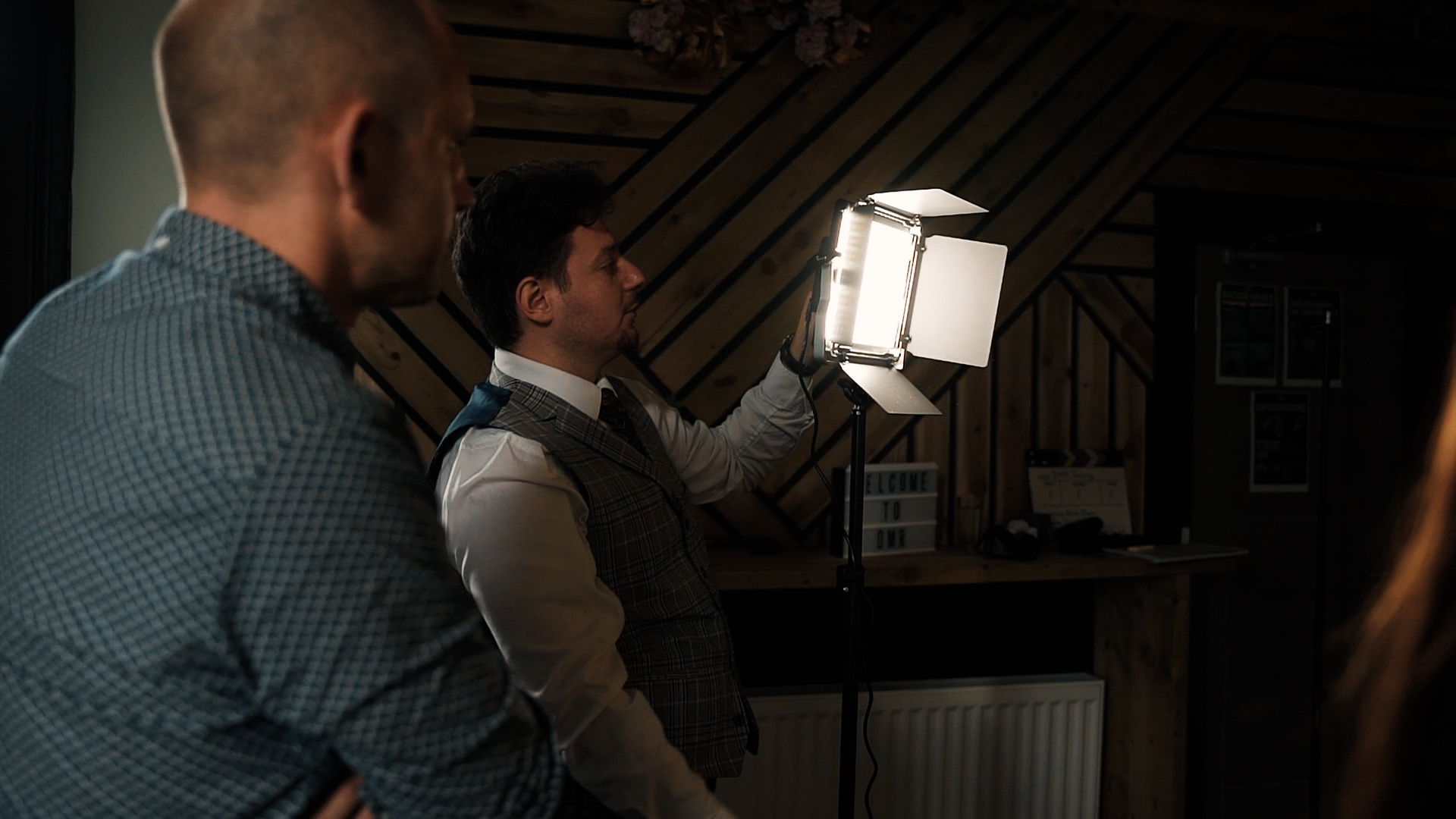
Lighting is often the difference between a video that looks polished and one that looks amateur. Training helps you understand the basics:
- Three-point lighting: An effective setup with a key light, fill light, and back light that flatters your subject.
- Natural light: Knowing when to shoot by a window and how to use reflectors and diffusers can save you when professional lights are not available.
- Colour and mood: Adjusting colour temperature or adding a splash of brand colour in the background creates videos that feel intentional rather than accidental.
You learn not just how to light but how to adapt to whatever environment you are filming in.
3. Sound Recording Basics
While viewers might forgive slightly shaky footage, they will not forgive poor sound. Audio is what holds attention. Training usually covers:
- Using lavalier microphones: How to set them up and capture clear speech.
- Avoiding common pitfalls: Background hums, echoey rooms, or wind noise outdoors.
- Recording levels: Keeping the sound clear without peaking or distortion.
Once you know how to capture clean audio, your videos feel instantly more trustworthy.
4. Planning And Storytelling
Filming without a plan often leads to endless retakes and disjointed videos. Training helps you think like a filmmaker before you even pick up the camera:
- Shot lists: Knowing what you need in advance saves time and ensures you capture enough b-roll footage to tell the story.
- Interview prep: Writing open questions that bring out natural answers instead of stiff, rehearsed ones.
- Narrative structure: Even short videos need a beginning, middle, and end to keep audiences engaged.
These planning habits make video production smoother and the final product much more watchable.
5. Teamwork And Collaboration On Set
Video is rarely a solo effort. Even in a small office setting, dividing roles makes things easier. Training encourages groups to experiment with different responsibilities:
- One person on the camera.
- One person adjusting lights.
- One person directing or asking questions.
This not only builds confidence in each area but also gives teams the rhythm to work efficiently when filming their own content.

Why Hands-on Beats Online Tutorials
There are countless online tutorials about video production. The problem is that watching someone explain settings is not the same as practising them. Hands-on training works because:
- You make mistakes and get feedback in the moment.
- You build muscle memory by setting up lights, framing shots, and recording sound yourself.
- You work in your own environment, solving the exact challenges you will face day to day.
That practical element is what moves video production skills from theory into habit.
Can Beginners Learn Video Production Quickly?
Yes. Video production is a craft, but you do not need years of experience to see progress. Beginners can start producing usable content within less than a day of guided practice. What changes over time is refinement — the confidence to set up faster, the creativity to experiment with framing, and the ability to tell stories that feel natural.
Why Video Production Skills Matter
These skills are not about turning your team into filmmakers. They are about giving businesses the ability to produce high-quality video content without always calling in outside crews. That saves money, speeds up turnaround, and makes communication more authentic. Your team can respond quickly with in-house videos for social media, client updates, or internal comms and still feel confident that what they produce reflects your brand.
Taking The Next Step
If you are based in Liverpool or anywhere in the UK, and want to learn video production, the opportunity is there to build these video production skills in a hands-on way. Training gives you more than knowledge — it gives you the ability to actually apply it, with equipment provided and tailored to your business so you can put everything into practice straight away. Get in touch today.